Kitchen Tools and Food Preparation
Wooden vs Silicone Spatulas for Indian Cookware
Choose a wooden or silicone spatula by matching three things: the action you need, the cookware manufacturer's instructions and the tool's own care limits. A material label alone does not establish that the entire utensil suits your pan, heat setting or cleaning routine.
2 products · Compare before you buy
Product comparison at a glance
| Product | Construction and design | Care | Main purchase consideration |
|---|---|---|---|
IKEA RÖRT 904.964.21 wok spatula | Oiled solid beech; 31 cm product length | Handwash only; maker calls for regular wood-oil treatment | Head width and numeric heat limit not established; follow exact cookware permissions |
OXO 3-piece Silicone Spatula Set 11299900 | Silicone set with documented flexible edges | Dishwasher permission | Numeric heat limit and Indian variant unverified; flexible scraper shapes are not automatically turners |
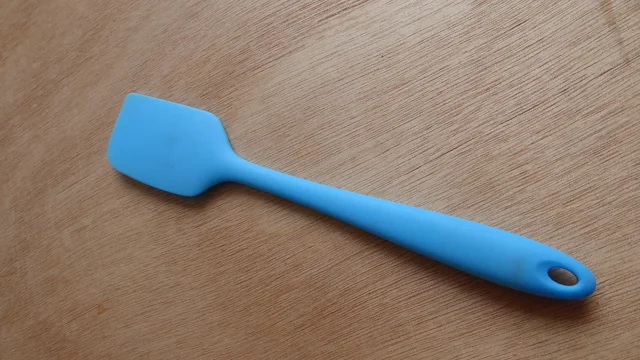

For Indian cooking, separate stirring a sabzi, scraping a batter bowl and turning a dosa. These jobs ask different things of an edge and handle. Compare the actual shape and construction for your main task before deciding between materials.
Consider RÖRT for its wok-spatula shape if your cookware permits it and handwashing plus wood-oil care suit your routine. Consider the OXO set for flexible scraping and documented dishwasher care. These different shapes do not isolate the effect of material, and neither has been independently heat- or scratch-tested here.
Begin with the pan's instructions
Look for the permitted utensils in the manual for your exact cookware family. Hawkins' Aqua manual, for example, specifies wooden or silicone spatulas. That is a documented choice for that family, not permission for every tool bearing either label on every cooking surface.
If the manual restricts metal or sharp tools, check the whole utensil. An exposed core, damaged edge or separate attachment needs attention even when the main head is labelled silicone. A tool intended for lifting food should not become an improvised implement for cutting or forcing off a stuck layer.
Keep the pan's instructions beside the utensil's instructions. Permission from one does not remove a restriction in the other. If the two cannot be reconciled, choose a different tool or ask the manufacturer before use.
Choose the working shape
| Task | What to examine in a wooden tool | What to examine in a silicone tool |
|---|---|---|
| Stirring sabzi or a gravy | Head size, edge shape, handle reach and grip | Head size, support, handle reach and grip |
| Scraping a mixing bowl | Whether the edge follows the bowl's curve | Whether the edge bends enough to follow the curve |
| Turning a dosa or other flat food | Edge thickness, width and approach angle | Edge thickness, width and support under the food |
| Portioning or serving | Shape and control when transferring the food | Shape and control when transferring the food |
Do not treat “spatula” as one fixed design. A broad stirrer, a narrow scraper and a thin turner can share a material while doing different jobs. A tool that bends neatly around a mixing bowl may not provide the support you want under a large dosa.
OXO describes flexible edges in one silicone set. This illustrates a design feature to examine, not a rule that every silicone utensil has the same flexibility. Likewise, inspect the particular wooden tool rather than assuming that every wooden edge has the same thickness or stiffness.
Use your present utensil to identify the problem you want to solve. If it is too wide for a small pan, write down the clearance needed. If its handle is difficult to grip, compare handle dimensions and shape. A change in material does not automatically solve either problem.
Read heat permission for the whole tool
Ask what a stated heat limit covers: the head, handle, coating, joint or complete assembly. Check whether the manufacturer gives conditions for contact and duration. “Heat resistant” without that scope is incomplete purchase information.
A silicone head attached to a wooden or plastic handle is a mixed construction. The head's declaration cannot silently become permission for every component. For a wooden utensil, identify any finish or treatment when the manufacturer provides it and follow the corresponding use instructions.
Do not borrow a temperature number from another brand or an overseas listing for a similar-looking tool. Do not use an oven permission as an assumption about direct flame or resting on a hot pan edge. Follow the actual instructions for the use you intend.
A documented wooden candidate
IKEA RÖRT 904.964.21 is an oiled solid-beech wok spatula with a 31 cm product length. IKEA specifies handwashing and regular treatment with wood oil. The page does not establish a numeric heat limit or working-head width; its packaging width must not be substituted for that measurement. Match its intended use to your cookware and follow the supplied care instructions. This is a shape and care comparison with the OXO set, not a test isolating material performance.
Compare the cleaning job
Inspect how the head meets the handle and whether a joint is intended to come apart. Ask how food residue around that joint is removed. Do not pull a head off simply because it appears separate; disassembly should follow the tool's instructions.
Hawkins tells owners to wash its included wooden spatula with mild soap, rinse it and dry it immediately without soaking. This is a useful example of a care requirement to plan for. It does not establish a cleaning procedure for an unknown wood, finish or glued assembly.
Some silicone tools have documented dishwasher permission. OXO lists that permission for its specified set, but this US example does not confirm the Indian product you may buy. Check the complete model and each component, especially when the handle is made from a different material.
Choose a routine you can carry out after normal cooking. Include drying and secure storage, not just washing. If you need dishwasher cleaning, eliminate a candidate whose instructions require hand washing rather than assuming its material makes the restriction unnecessary.
Check condition and construction before purchase
Look for a clearly described model, materials and care instructions. Examine the edge, head-to-handle connection and grip. Ask about any feature you cannot establish from the documents. A photograph cannot certify the material or explain an internal core.
If a tool later develops a damaged edge, loose head or exposed component, stop using it and check the manufacturer's advice. Do not decide that a crack or separation is harmless merely because the main material is wood or silicone.
For help separating material declarations from broad marketing phrases, read how to check kitchen tool materials before buying online.
Choose by task and routine
Consider a wooden tool when its shape works for your stirring or turning task, your pan permits it and you can follow its washing and drying instructions. Consider a silicone tool when its documented flexibility or supported shape fits the task and its complete construction has suitable use and cleaning limits.
You may need a stirrer and a turner rather than one utensil expected to do everything. Choose neither candidate when pan permission, heat scope or assembly care remains unclear. Record the task, pan model, head shape, handle construction, heat instructions and cleaning routine before buying.
Evidence and limitations
Manufacturer documents provide the specific examples identified above. Overseas examples illustrate how to read a declaration; they do not establish Indian availability, warranty or variant identity. The comparison table is original purchase-planning guidance, not a result from handling, scratch, hygiene or heat tests.
Sources
Read how we choose or report a correction.
Disclosure
Some product links are affiliate links. As an Amazon Associate I earn from qualifying purchases. This does not change the price you pay.
We compare published product specifications and instructions. We have not hands-on tested these products. Prices, stock and delivery can change; check the selected model and current terms before buying.