Kitchen Tools and Food Preparation
Rice-Washing Bowls for Indian Meal Prep: Batch Size, Drainage and Fit
Choose a rice-washing bowl around your usual dry batch and the way you prefer to drain it. Record the rice quantity, identify whether the vessel retains water or drains continuously, and check the space needed to tilt it and transfer the grain. A large litre figure does not tell you how much rice can be washed comfortably.
2 products · Compare before you buy
Product comparison at a glance
| Product | Documented arrangement | Size information | Main purchase question |
|---|---|---|---|
OXO 11166900 Rice & Grains Washing Colander | Plastic; slow drainage and additional spout openings; named grain uses | Dry-batch limit and overall dimensions unresolved | Supplied listing conflicts on material; confirm exact item and care |
Inomata Japanese Rice Washing Bowl, 2.5-Quart | Plastic rice-washing bowl with strainer | 2.5-quart listing; not a dry-rice batch rating | Check usable batch space; no mapping to Japanese catalogue model codes is established |
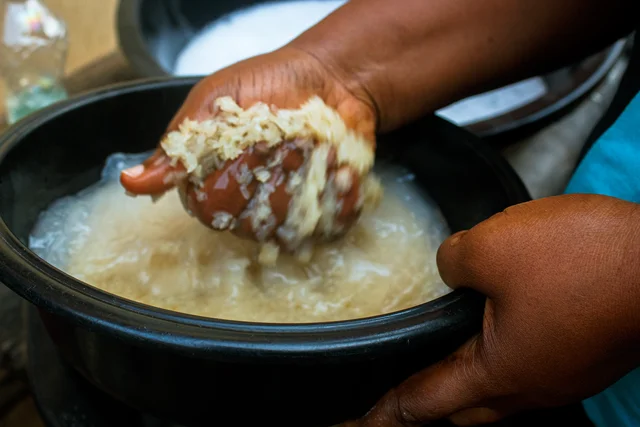

Choose the OXO when its documented slow-draining design and pouring spout suit your routine. Compare the Inomata 2.5-quart bowl when you want a separate rice-washing bowl with a strainer. Neither listed capacity nor product name establishes a tested rice-batch limit; allow room to rinse and tip comfortably.
Start with a batch record
Write down the amount of dry rice you normally prepare and the largest batch you realistically expect to wash. Use grams, or identify the exact measuring cup and its marked volume. “Two cups” is incomplete when one person means the cup supplied with a cooker and another means a household drinking cup.
Keep three different quantities separate:
| Quantity | What it describes | How to use it |
|---|---|---|
| Dry rice batch | Your ingredient amount before water is added | Compare with a documented rice-washing capacity |
| Bowl volume | The vessel's stated liquid volume | Treat as a separate specification, not a batch conversion |
| Working space | Room for water, movement and controlled draining | Check the manufacturer's use instructions and fill limits |
If a listing says only “3 litres”, ask for its intended dry-rice batch rather than converting litres into a family size. A bowl's shape, drainage openings and usable fill level matter too. A larger occasional batch might justify a larger bowl, but compare that benefit with its daily washing and storage footprint.
For example, suppose your regular batch is 300 g and a guest meal uses 600 g. Those are hypothetical planning quantities, not serving recommendations. Ask whether the exact bowl is intended to handle 600 g at once, or decide whether two smaller batches would suit your routine. Neither answer can be calculated from external dimensions alone.
Identify the drainage arrangement
Look at the base, sides and pouring edge separately. Do not rely on an overhead photograph that hides the bottom.
| Design to investigate | Question it answers | Check before choosing |
|---|---|---|
| Perforated washing colander | Can water leave while the grain remains in the vessel? | Documented intended grains and the route taken by draining water |
| Solid bowl with a draining section near the rim | Can water be retained until the bowl is tilted? | Height and position of the draining section, and tilt instructions |
| Separate bowl and removable strainer | Can draining be done by lifting an insert? | Whether the set is intended for your grains, plus clearance to lift it |
These are design questions, not a ranking. A two-piece set creates another part to wash and store; a single piece may require a different draining movement. Decide which movement fits your sink and grip before treating one format as universally easier.
Manufacturer examples and their limits
OXO Rice & Grains Washing Colander
OXO describes deliberately slow drainage, small square holes, additional drain openings at the pouring spout and soft non-slip handles. It names rice, quinoa, buckwheat and barley among intended grains. This gives a documented reason to investigate it when you want a dedicated grain-washing colander. Source: OXO product page
The OXO Specifications tab recorded during our source review identifies SKU 11166900 and lists its material as plastic. Use that identifier when comparing seller listings. The manufacturer page we inspected did not establish a dry-batch limit, overall dimensions or complete cleaning instructions, so those remain purchase questions. The design description does not prove that every broken grain or smaller ingredient will be retained, and we have not tested its handles with a loaded bowl.
The Amazon.in candidate we inspected, ASIN B016BA0AAM, lists the same model number but calls its enclosure material stainless steel. That conflicts with OXO's plastic specification. We use the manufacturer's material description here and keep the listing under review; matching the model number does not make every marketplace field reliable. Ask the seller to confirm the actual item and its instructions before ordering.
Inomata 2.5-quart bowl: one identifiable listing
The linked Amazon.in listing identifies an Inomata Japanese Rice Washing Bowl with Strainer, with the 2.5-quart option selected. Its description calls it plastic. This replaces the three catalogue-only Inomata entries previously compared here: their individual Indian shopping destinations could not be established from the inspected search results.
Do not transfer dimensions or the drainage pattern of catalogue models 0803, 0805 or 0808 to this listing. Its title and capacity do not establish those model correspondences. Inspect the supplied bowl's openings and follow its care instructions; the listing's time-saving language is not a measured washing-time result.
The practical reason to consider it is the dedicated bowl-and-strainer format. Before choosing it over the OXO, compare your sink clearance, pouring position and normal rice batch. We have not measured grain retention or performed a side-by-side washing test.
Check rinse, drain and transfer space
Measure the usable sink area and the clearance below the tap. Include projecting grips or a pouring lip in the bowl's footprint. A vessel that sits beneath the tap may still need more space when tilted, lifted or moved beside another utensil.
Next, identify the receiving pot. Compare its opening with the bowl's pouring edge and the way you will hold the bowl. If your usual routine already works with an existing food-preparation bowl and suitable strainer, name the specific inconvenience a new item would solve: awkward tipping, grain escaping, insufficient batch space or difficult cleaning. A dedicated purchase should address that inconvenience.
Write a short sequence for your own kitchen: where the bowl sits, how water leaves, where the receiving pot stands and where each component is placed afterwards. This is a layout exercise, not a tested operating procedure for an unverified product.
Care instructions are a separate buying requirement
Ask for dishwasher permission, temperature restrictions and the permitted cleaning method for the exact bowl. A material description alone does not establish these. In a nested set, check both pieces; do not assume a permission for the outer bowl also covers the insert or handles.
Inspect whether the drainage openings and underside can be reached for cleaning, and whether removable parts are designed to separate. Plan room for drying and storage without relying on an unverified nesting claim. Our materials guide explains how to distinguish documented specifications from broad marketing terms.
Questions before checkout
Can the same bowl wash millet or broken rice?
Ask about those specific ingredients. A general rice claim is not evidence for every smaller grain or fragment. No universal opening-size threshold is established by the sources used here.
Does it replace a soaking bowl?
Check whether the actual design retains water and whether its instructions support the intended use. A continuously draining vessel needs a different arrangement from a solid bowl. Follow the rice packaging and recipe for preparation; this article does not prescribe a washing count or soaking duration.
Should you buy a set of several sizes?
Assign each size a real batch or task first. If only one would be used, compare the individual item with the set. The multipack checklist helps make that comparison.
Keep the model number, batch guidance, dimensions and care instructions with your purchase record. If a source changes or a specification is incorrect, send the documentation through our corrections policy.
Sources
Read how we choose or report a correction.
Disclosure
Some product links are affiliate links. As an Amazon Associate I earn from qualifying purchases. This does not change the price you pay.
We compare published product specifications and instructions. We have not hands-on tested these products. Prices, stock and delivery can change; check the selected model and current terms before buying.