Wet Grinder vs Mixer Grinder for Idli and Dosa Batter
Choose a wet grinder or mixer grinder for idli and dosa batter by your regular ingredient quantity, the exact model’s supported recipe and the full preparation routine. Drum litres, jar litres and dry rice weight describe different things. They cannot be substituted for one another when planning a batch.
2 products · Compare before you buy
Product comparison at a glance
| Product | Capacity description | Ingredient guidance inspected | Example’s electrical rating | Important remaining check |
|---|---|---|---|---|
Elgi Ultra Mini | 1.25 L drum | Separate rice and dal quantities measured before soaking | 85 W; 230 V, 50 Hz | Supplied India unit and manual correspondence |
Philips HL7756 manual | Wet, dry and chutney jars with separate rated capacities | Rated preparation volumes; exact batter ingredient-weight guidance unresolved | 750 W on HL7756/00 model page | Exact suffix and applicable batter recipe |
This research guide uses Elgi Ultra Mini in its India electrical version and Philips HL7756/00 as exact examples. We have inspected their manufacturer documentation, but we have not made batter in either appliance, measured grinding time or compared the finished idlis and dosas. Neither is presented as a tested winner.


Compare the scope of the documented limits
This is not a power comparison. The different figures do not prove relative speed, energy consumption or batter quality. Each model needs to be assessed against its own instructions and the result you want.
Ultra Mini: rice and dal limits have a specific basis
The inspected Mini manual lists rice quantities from 106 g to 780 g and dal quantities from 41 g to 195 g. These are separate recommended measurements before soaking, with a note that laboratory conditions may differ from actual use. They are not one combined ingredient limit or a promise of a particular amount of finished batter. Ultra Mini manual.
The manual explicitly requires rice and dal to be ground separately and recommends rice first, followed by dal. Do not add the two maximum quantities and treat the sum as a simultaneous load. Its operating sequence calls for adding ingredients gradually with sufficient water after assembly and startup. Follow the complete illustrated sequence; the drum label alone cannot establish finished-batter yield.
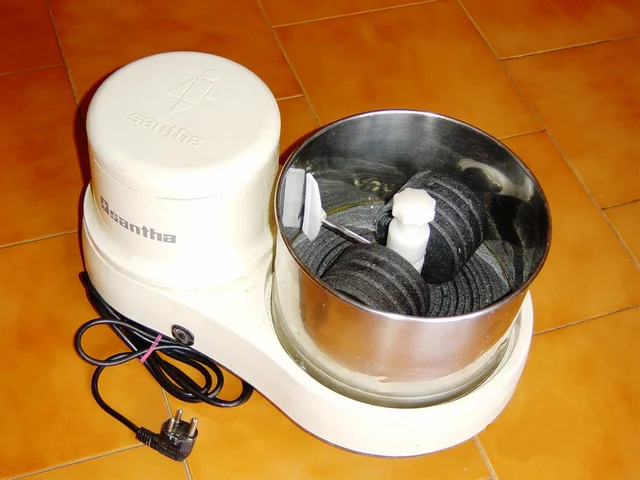
The same manual lists an 8.8 kg net appliance weight and a 1.7 kg stone assembly. These figures help identify handling questions but do not prove that a particular person will find the assembly easy to lift or clean. Confirm the actual supplied unit and instructions before relying on the measurements.
Philips HL7756: jar volume is not a rice-weight limit
The Philips page identifies HL7756/00 as a 750 W three-jar mixer grinder. Confirm the full suffix and jar set on the offered unit. Philips model page.
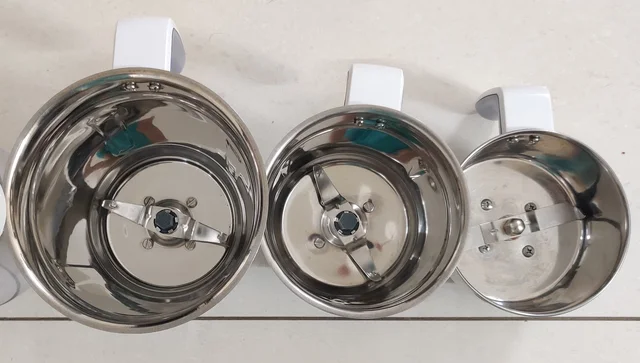
The inspected manual covers HL7756/00 and HL7756/02. Its wet jar is 1.5 L nominal with 0.6 L rated maximum preparation capacity. Its ordinary duty cycle is three minutes on followed by one minute off. We have not established exact idli/dosa ingredient weights from that volume figure. Philips manual.
Obtain the supported batter recipe and preparation instructions before deciding how many batches your ingredients require. A measured quantity of dry rice does not become a jar-load volume through a simple assumed conversion. Do not apply the Mini’s rice or dal ranges to this mixer grinder.
Start with your normal ingredient batch
Write down rice and dal separately, including the quantity before soaking. Then record the complete recipe you intend to follow and the amount normally prepared for your household. This exposes whether a proposed appliance supports the actual routine rather than an abstract family-size label.
Use these fields when checking each model:
| Your routine | Exact-model evidence needed |
|---|---|
| Rice quantity before soaking | Applicable minimum and maximum ingredient guidance |
| Dal quantity before soaking | Separate applicable limits and preparation instructions |
| Prepared ingredients | Supported recipe and loading sequence |
| Several batches | Duty, rest and restart instructions |
| Transfer and cleanup | Permitted component handling and cleaning method |
Leave a field unresolved if the applicable manual does not answer it. Do not use nominal capacity to fill the gap. If your recipe needs a split batch, record the split according to the instructions rather than exceeding a supported load.
Compare the complete session
For a relevant demonstration, use a supported recipe and record the ingredient quantities and preparation conditions. Include loading, processing, required rests, transfer and cleanup. A short motor-running time is not the same as a short kitchen routine.
For a mixer grinder, check each required batch against its exact working capacity and duty instructions. For a wet grinder, check the ingredient basis, loading sequence and assembly instructions. Do not force identical loads if doing so would violate either manual.
We have not measured batter consistency or the finished cooking results. Claims that one grinding method always produces softer idlis, better dosas or less heating are not findings from this guide. A useful comparison needs relevant measured outcomes under documented conditions.
The result should also be judged against your intended recipe. A successful demonstration supports an observation about that batch, not a guarantee across every grain, proportion or quantity. Record any adjustments rather than attributing every difference to the appliance category.
Handling can change the practical choice
Consider the route between ingredient preparation, the appliance, the receiving container and the cleaning area. Ask to see the exact permitted way to remove and handle components. Published weights alone do not establish grip, balance or comfort.
The Mini manual requires cleaning the drum and roller assembly after every use, prohibits immersing the body or washing it under running water, and says not to put hands in the drum or unlock the arm during operation. It instructs lifting the appliance at its base. Ultra Mini manual.
For storage, the Mini manual says to leave the grinder unlocked when idle and not to leave the washed drum upside down. It also prohibits empty running beyond one minute; that is not a loaded grinding-time allowance. These observations do not establish dishwasher permission or replace the complete instructions. Philips care instructions have not been transferred to the wet grinder.
Consider the appliance you already own
If a current mixer grinder has applicable instructions that support your normal batter batch, assess the actual inconvenience before buying another appliance. The useful question is what a wet grinder would change in your documented routine: batch arrangement, handling or another verified need.
If your regular ingredients fall outside a model’s supported range, compare another exact model rather than assuming a category-wide capacity rule. A small wet grinder and a larger wet grinder can have different minimum loads. Two mixer grinders with similar jar labels can also have different working limits.
For a first purchase, include other recurring tasks in a separate list. The Mini manual shows an atta kneader and coconut scraper as optional attachments purchased separately. Do not count them as included in the base package. Their loads, operating instructions and applicable warranty coverage still need confirmation before those functions become a reason to buy. Ultra Mini manual.
Choose from the verified fit
Prefer an exact model whose supported ingredient basis and operating routine match your regular batch, and whose components you can handle and clean according to its instructions. Require relevant evidence for proposed improvements in speed or food quality.
Current offer availability and any unresolved model-specific checks should be confirmed before purchase. This guide does not claim a universal winner between wet grinders and mixer grinders. It identifies the measurements and instructions needed to compare actual appliances for your idli and dosa routine.
Sources
Read how we choose or report a correction.
Disclosure
Some product links are affiliate links. As an Amazon Associate I earn from qualifying purchases. This does not change the price you pay.
We compare published product specifications and instructions. We have not hands-on tested these products. Prices, stock and delivery can change; check the selected model and current terms before buying.